"There are masters we do not necessarily meet in person, but who enter our lives through a film, a voice, an image, an intuition. For me, Vittorio De Seta was one of them."
When I encountered Vittorio De Seta through a voice
There are masters we do not necessarily meet in person, but who enter our lives through a film, a voice, an image, an intuition.
For me, Vittorio De Seta was one of them.
During my university studies in Communication Sciences in Perugia, I had access to an audio interview Fabio Melelli conducted with Vittorio De Seta. I do not remember listening to it as merely a piece of study material. I remember it instead as a threshold.
There was De Seta's voice, his way of recounting the years of research, of travel, of the urgency to film. There was the idea of a cinema made even against the current, often in defiance of the market, distribution and the production logic of the time. A cinema that was necessary before it was ever expedient.
Listening to it gave rise to reflections that later found their way into my degree thesis on the theories and techniques of cinematic language applied to social communication. But, over time, I came to understand that De Seta's influence had not stopped at the university.
It had entered my way of seeing.
A threshold heard rather than seen — a voice that opens a path.
Vittorio De Seta and documentary cinema as a mission
When I think of Vittorio De Seta and documentary cinema, I do not think only of a great lesson in aesthetics.
Certainly, his films have the power of the cinematography, the rhythm of actions, the precision of sounds, the dignity of bodies, the beauty of human work. But for me, the deepest significance has always lain elsewhere.
De Seta seemed to film with an awareness that certain worlds were about to disappear.
He did not observe them with decorative nostalgia. He did not turn them into folklore. He kept them safe.
His Italian documentary cinema grew out of an almost anthropological urgency: to save a gesture, a song, a toil, a community, before modernity erased them or transformed them forever.
This idea has stayed with me for many years: cinema is not only there to tell the story of the present. It can make something immortal even as it is already becoming the past.
It can pass it on to future viewers.
"Cinema is not only there to tell the story of the present. It can make something immortal even as it is already becoming the past."
"Lu tempu di li pisci spata": filming a world before it disappears
One of the films that left the deepest mark on me is Lu tempu di li pisci spata, made in 1954.
In that short film, De Seta films an ancient way of fishing for swordfish. He films the sea, the boats, the nets, the hands, the songs, the waiting, the toil, the rituals of the men.
There is no need to explain too much. The images are enough.
Those men seem to belong to a tradition thousands of years old. Their work is not simply a trade: it is a relationship with the sea, with time, with risk, with a community.
Watching that film, I have always had the feeling that De Seta was not simply documenting a fishing technique. He was saving a world.
A world destined to change radically with the arrival of modernity, of industry, of other systems of production, of a different relationship between humanity, nature and work.
This is where De Seta's poetic cinema also becomes anthropological cinema. Not because it analyses from the outside, but because it enters into the rhythm of things. It lets reality reveal itself through its own internal time.
The sea as slow time, before modernity forgets its name.
The lesson of rhythm: looking before telling
I also learned something very concrete from De Seta: rhythm does not come only from editing.
It begins earlier.
It begins with the way one observes.
The rhythm of a documentary may already be there in the gesture of a hand, in a work song, in the movement of a boat, in a silence, in a pause, in a body that knows a trade better than any word can.
As a filmmaker, director and photographer, I have always found this lesson deeply compelling.
Photography is not only composition. Rhythm is not only speed. Cinematic language is not only technique.
It is a form of listening.
From De Seta to "Resistenza Artigiana"
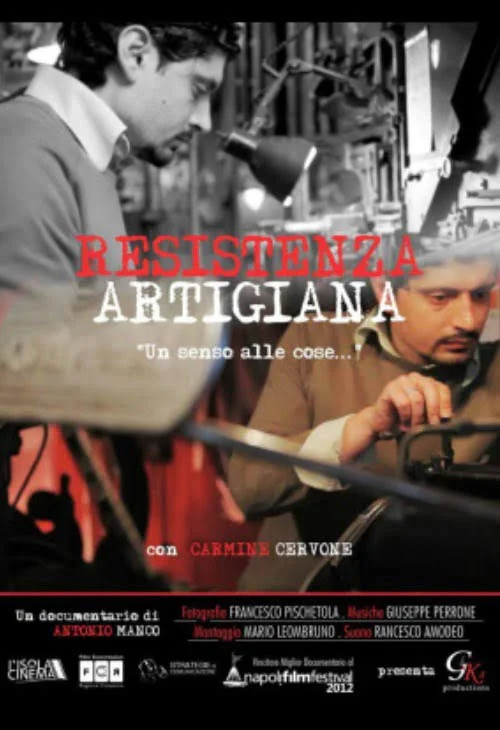
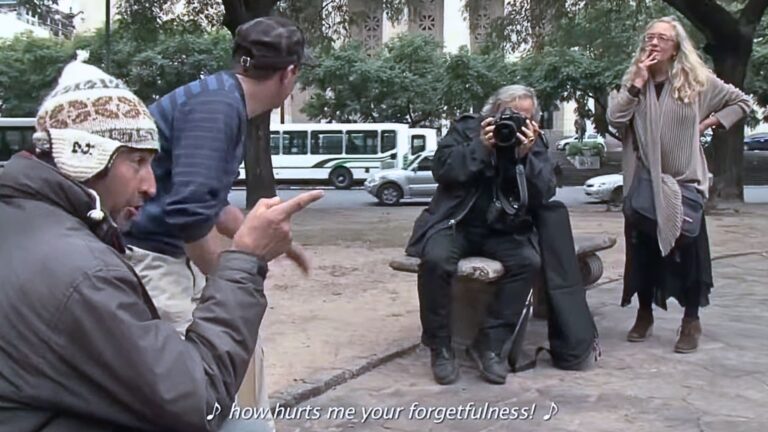
Many years later, in 2011, I made Resistenza Artigiana, a short documentary devoted to a printer in the historic centre of Napoli who still worked with the Linotype.
It was a trade that seemingly no longer had a place in the market. An almost anachronistic practice, in an age when everything seemed to be racing towards the digital, speed, constant replacement.
And yet, inside that workshop, I saw something alive.
I saw a form of resistance. A technical memory. A knowledge held in the hands. A dignity of work that I did not want to treat as a dead relic, but as a possibility still present.
At that time, I often spoke of a concept that was very important to me: innovating by going back.
It did not mean rejecting the present. It meant understanding that sometimes, to imagine a more human future, we have to recover what we left behind too quickly.
In this sense, the affinity with De Seta was clear.
I too, in my own small way, was trying to film a world on the verge of disappearing. A man, a machine, a trade, a workshop, a different time.
I dedicated Resistenza Artigiana to Vittorio De Seta, who died that very year, in 2011.
In 2012, the film won the Vesuvio Award at the Napoli Film Festival. It was an important recognition, but what mattered even more to me was understanding that this small documentary belonged to a line of thought: cinema as an act of safekeeping.
A workshop that holds out — innovating by going back.
"Diario di un maestro" and the living boundary between reality and fiction
Another essential work by De Seta is Diario di un maestro.
Here, his lesson opens onto another dimension: the relationship between reality and fiction.
In Diario di un maestro, a real class of children becomes the living material of cinematic storytelling. The real is not simply observed. It is moved through, brought into relation, transformed into narrative experience.
For me, this is one of the most modern insights in De Seta's cinema.
Documentary is not always a neutral window onto the world. It can become a narrative device, a relationship, a place where reality reveals itself precisely because it is being filmed.
De Seta anticipates a form of cinema of the real in which genres are not rigid cages. Documentary, fiction, observation, pedagogy, social storytelling: all can coexist if there is a deep necessity.
This freedom still interests me today.
"Sulle tracce del Prete Rosso" and an influence that returns
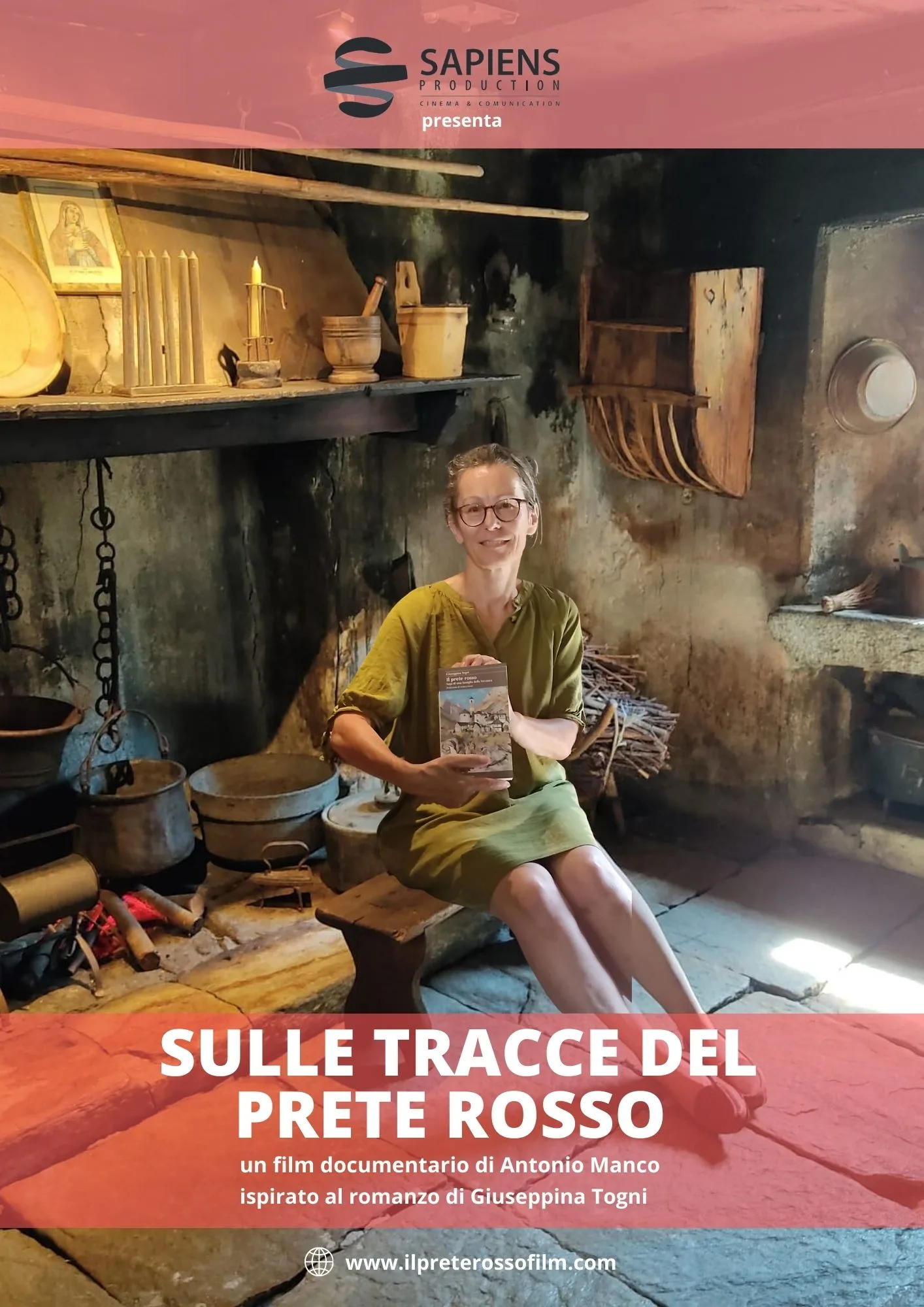
I recently realised that De Seta's influence is also present in my new documentary film, Sulle tracce del Prete Rosso.
Perhaps not explicitly. Perhaps not always consciously. But it is there.
The idea for this article comes from precisely such a realisation, which came as I was reflecting on the project again.
I questioned the changes of genre, the shifts in register, why I choose to linger over certain customs, certain faces, certain seemingly peripheral gestures.
And in answering, I realised that I have internalised many of those choices.
They come from a long education in seeing. From Olmi, from Solanas, from other masters. But also, very profoundly, from the cinema of Vittorio De Seta.
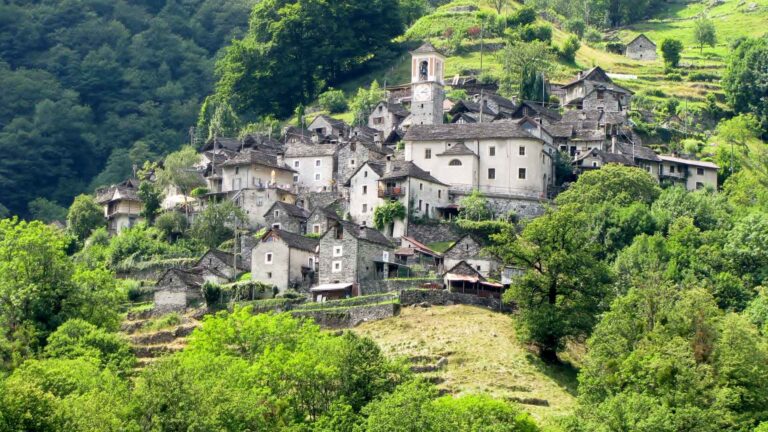
In Sulle tracce del Prete Rosso, history does not live only in the reconstruction of the past. It lives in the places, the people, the trades, the customs, the landscapes, the silences of Valle Verzasca.
Memory is not an abstract theme. It is something that settles in bodies and in the land.
Valle Verzasca — memory settling in the land.
Cinema as an act of memory
Today, after many years of working across cinema, photography, documentary and communication, I feel that De Seta's lesson continues to ask questions of me.
It reminds me that filming does not simply mean producing images.
It means choosing what deserves attention.
It means deciding that a face, a trade, a song, a valley, a workshop, a class of children, a forgotten story, may still have something to say to the future.
Social documentary cinema, when it is honest, does not save the world. But it can save fragments of the world.
It can keep everything from being swallowed up by speed.
It can create memory.
And perhaps this is precisely what I keep seeking as a filmmaker: a cinema capable of observing the present with an awareness of the past, and of leaving the viewer not only a story, but a trace.
Continuing to search through images
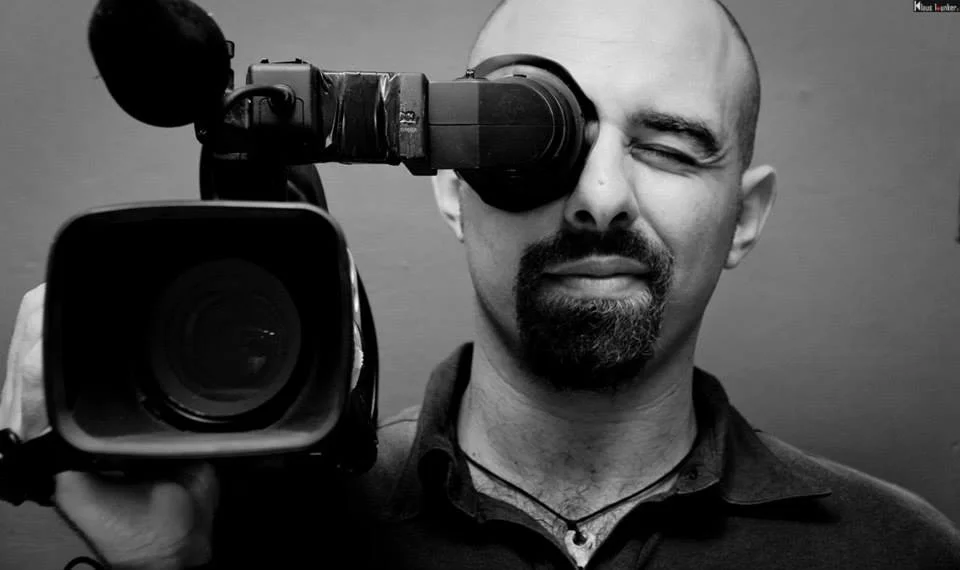
My work as Antonio Manco, filmmaker, also grows out of this conviction: every audiovisual project, from documentary to photographic storytelling, can become a gesture of listening.
This is why I continue to work on films, documentaries and visual projects that place people, places, memory and the transformations of our time at their heart.
Anyone wishing to learn more about my journey as a filmmaker, director, photographer and documentary maker can explore my work at antoniomancoproduction.com and follow new developments in Sulle tracce del Prete Rosso.
Explore my work as a filmmaker, director and documentary maker through the projects published on antoniomancoproduction.com.
Explore my films and documentaries
Sapiens Production Founder
Antonio Manco is a founder of Sapiens Production, a leading audiovisual production company known for its impactful and innovative content. Specializing in high-quality films, documentaries, and corporate videos, Sapiens Production resonates with audiences worldwide.
About Sapiens →