The Mashup Technique: Creating New Narratives
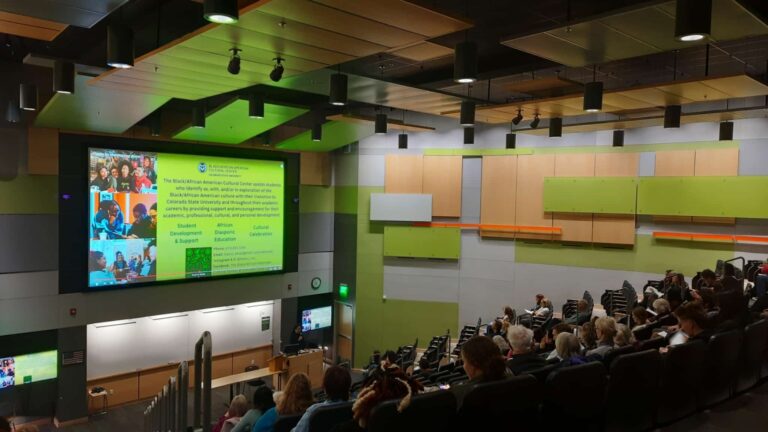
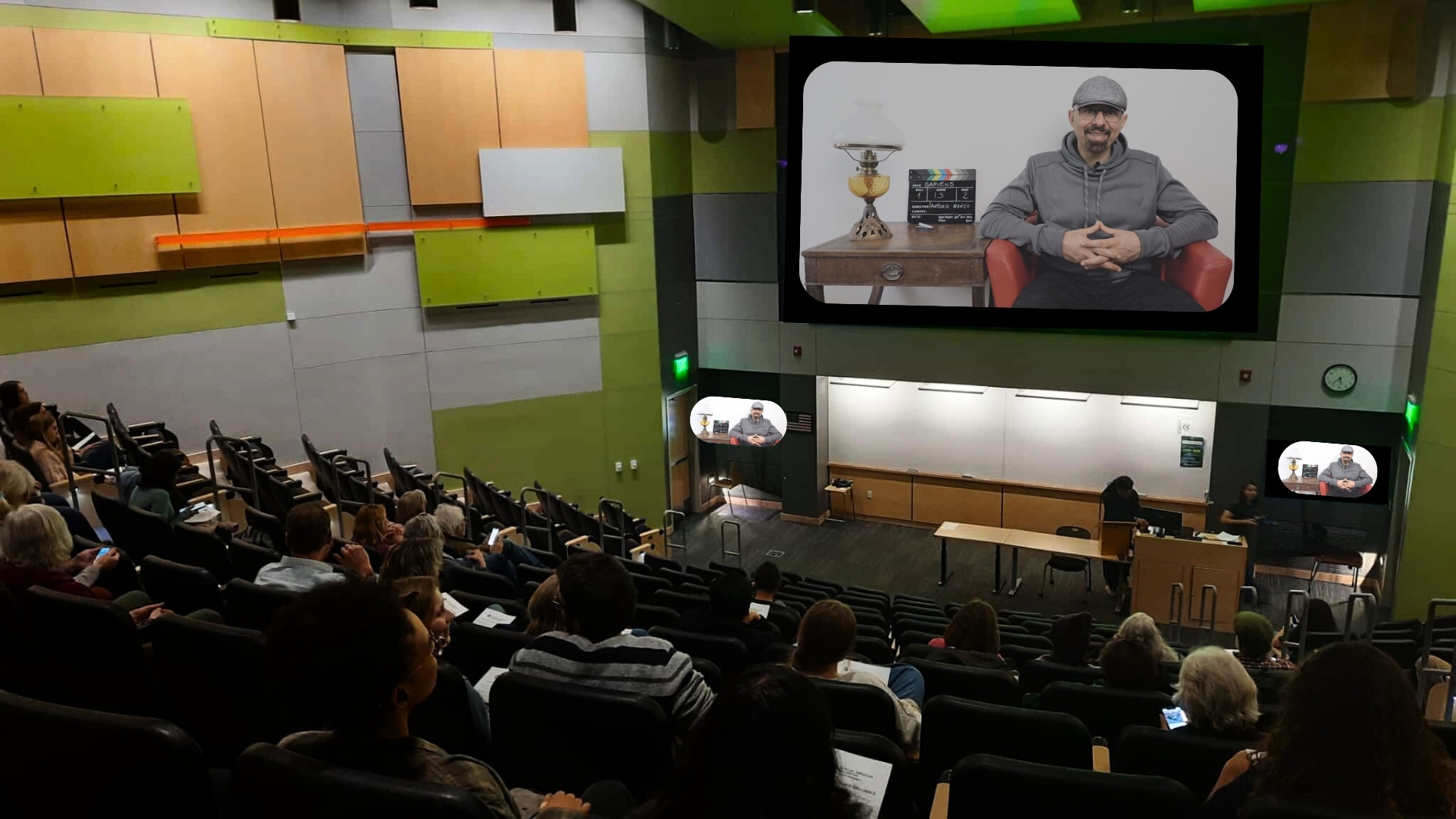
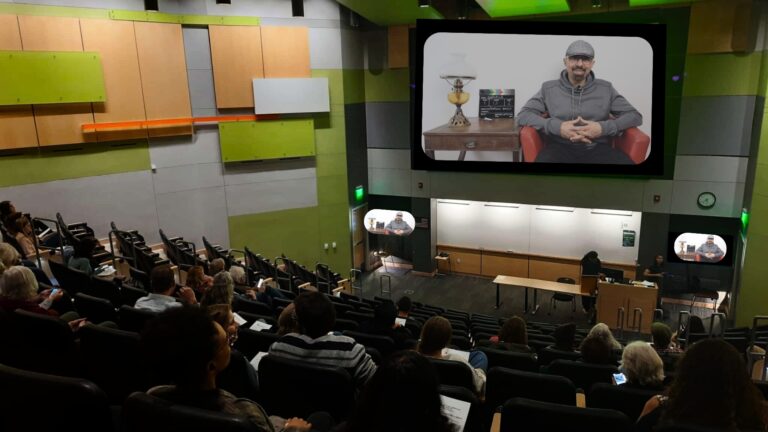
Recently, I had the privilege of speaking with students from ACT Human Rights Film Festival in Colorado, sharing my ten years of experience making trailers using the mashup technique for Festival del Cinema dei Diritti Umani di Napoli.
For over ten years, I have been working with Festival del Cinema dei Diritti Umani di Napoli, handling audiovisual communication through promotional spots that use a particular technique: the cinematic mashup. This method allows me to weave together fragments of the films in competition, creating a collective work that takes on an entirely new meaning through editing and music.
A mashup is not simply a collage of images. It is a creative process that transforms existing material into an original narrative, capable of distilling the essence of an entire festival into a few minutes of intense, moving video.
The Creative Process: From Music to Images
My approach to making these trailers follows a precise, carefully considered process. First of all, together with the Festival's board, we carefully select the soundtrack. The choice of music is not arbitrary: we consider the theme of that year's festival, the songwriter and, above all, the emotional impact of the piece. Once we have chosen the song, I listen to it repeatedly with my eyes closed, letting the rhythm and emotions guide my imagination.
Only after fully internalizing the music track do I begin watching the trailers for the films in competition. I look for the most evocative frames, those that can enter into a dialogue with the music and with one another, creating unexpected visual connections. It is a painstaking process of selection: every image must help build a fluid, engaging story.
The editing stage is where the magic takes shape. The images blend naturally into the flow of the music, but the editing does more than follow the existing rhythm. A good editor must be able to generate a rhythm of their own, creating a narrative tension that transforms the mashup into a standalone trailer with its own unique identity.
Cinema as a Tool for Social Transformation
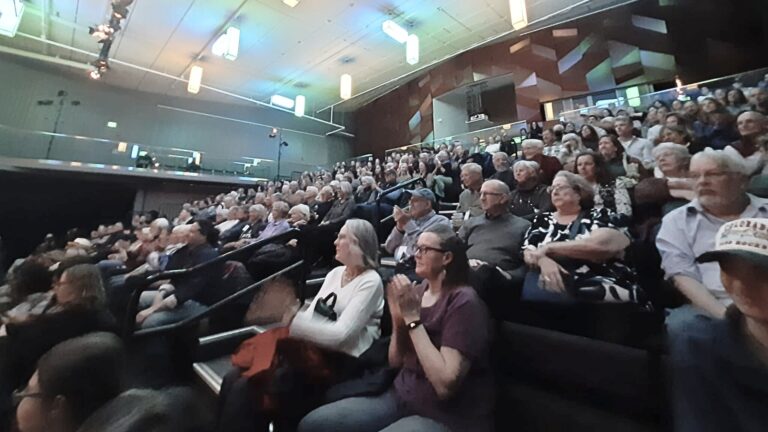
During the meeting with the American students, I emphasized that cinema is not just entertainment but a powerful tool for awareness and social change. Festival del Cinema dei Diritti Umani di Napoli perfectly embodies this vision, using the language of cinema to tell stories of struggle, hope and rights denied.
Through the mashup, these individual stories intertwine, creating a collective narrative that transcends geographical and cultural boundaries. Each trailer thus becomes a visual manifesto that amplifies the festival's message of social justice.
International Exchange: A Bridge Between Napoli and Denver
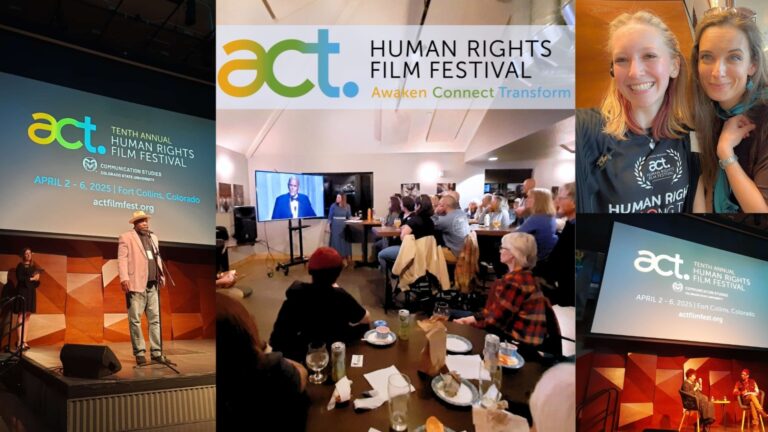
The opportunity to share this experience with students from ACT Human Rights Film Festival represents a significant moment of cultural exchange. Thanks to Professor Julia Khrebtan-Hörhager, I was able to illustrate how editing techniques can serve important social causes, inspiring a new generation of filmmakers to use cinema as a tool for change.
The dialogue with these young filmmakers confirmed just how universal the language of cinema is. The students' questions and their interest in the creative process show how a passion for cinema and a commitment to social causes know no borders.
Cinema continues to be a language that unites and transforms. Every project, every trailer, every encounter like this one helps build bridges between people and cultures, showing that through images we really can change the world, one frame at a time.
Antonio Manco for ACT Film Festival Human Rights Students
Links
Sapiens Production Founder
Antonio Manco is a founder of Sapiens Production, a leading audiovisual production company known for its impactful and innovative content. Specializing in high-quality films, documentaries, and corporate videos, Sapiens Production resonates with audiences worldwide.
About Sapiens →